
Post
Spain 2026 World Cup: The Rise of a New Golden Generation
May
Spain 2026 World Cup: The Rise of a New Golden Generation
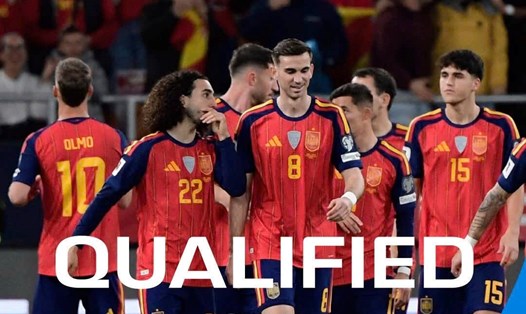
As the countdown to the 2026 FIFA World Cup begins, one of the most exciting teams to watch will undoubtedly be the Spain men’s national football team. Known for their beautiful passing football, tactical intelligence, and world-class talent development, Spain enters the tournament with renewed energy and a new generation of stars ready to compete for football’s biggest prize. The narrative surrounding the Spain 2026 World Cup campaign is deeply centered on whether this young squad can replicate the historic success of their predecessors.
After years of rebuilding following the end of their legendary golden era, La Roja now looks stronger, younger, and more dangerous than ever. With a squad filled with elite technical players, rising superstars, and a modern tactical approach, Spain is widely considered one of the favorites to challenge for the title. The expanded format of the tournament represents a historic challenge, but the Spain 2026 World Cup roster possesses the depth and versatility needed to navigate the grueling knockout stages successfully.
Spain’s Rich World Cup History and Legacy
Spain has long been one of the most respected football nations in the world. Although the country only has one FIFA World Cup title, its influence on modern football has been enormous. Their historic victory came in 2010 in South Africa, where a legendary generation dominated international football using the famous “Tiki-Taka” passing style.
That legendary era, which also included back-to-back European Championship titles in 2008 and 2012, set a benchmark for footballing excellence. However, following that peak, the national team went through a natural period of transition as iconic veterans retired. Entering the Spain 2026 World Cup cycle, the focus is no longer on looking back at past achievements, but on establishing a brand-new identity capable of dominating the global stage once again.
The Tactical Mastermind of Luis de la Fuente
A vital component of the Spain 2026 World Cup preparation is the tactical brilliance of head coach Luis de la Fuente. Having spent years working within Spain’s youth systems, De la Fuente possesses an intimate understanding of the nation’s emerging talents, having guided many of them through under-19 and under-21 international tournaments.
Unlike previous managers who insisted on rigid, possession-heavy systems that sometimes lacked direct attacking threat, De la Fuente has successfully modernized Spain’s approach. His system retains the traditional short-passing technical control but injects explosive vertical speed and aggressive wing play. This tactical adaptability allows Spain to control matches through extended possession while remaining incredibly dangerous on rapid counter-attacks. His ability to foster a harmonious, high-work-rate environment makes La Roja a highly cohesive unit that is exceptionally difficult to break down.

The Rise of a New Golden Generation
The core excitement surrounding the Spain 2026 World Cup squad stems from the incredible explosion of young, world-class talent. Spain’s famous academy structures have produced a dynamic group of players who compete at the absolute highest level of club football despite their young age.
Midfield dynamic duos and electric wingers have revitalized the national team’s attacking fluid dynamics. These young stars possess an incredible maturity on the ball, combining traditional Spanish technical precision with modern athletic intensity. To understand how other top-tier football nations are balancing veteran leadership with elite tactical structures for the upcoming tournament, make sure to read our comprehensive analysis of the Argentina 2026 World Cup squad. Just like the defending champions, Spain has built a perfectly balanced roster environment.
By integrating these high-velocity young attackers with reliable midfield anchors, Spain can break down defensive blocks with ease. De la Fuente’s system ensures that these creative talents have the operational freedom to exploit spaces behind opposing backlines, making Spain one of the most entertaining and unpredictable attacking units in international football.
Squad Analysis: Roster Depth and Technical Balance
The structural strength of the Spain 2026 World Cup campaign lies in the comprehensive depth available across every single position on the pitch. Spain is no longer vulnerable to injuries or fatigue, as their tactical system can be seamlessly executed by multiple world-class options.
| Squad Department | Key Established Leaders | Emerging Elite Talents | Primary Tactical Responsibility |
|---|---|---|---|
| Goalkeeping | Unai Simón | Premium backup options | Sweeper-keeper distribution, aerial safety |
| Defensive Line | Aymeric Laporte, Dani Carvajal | Robin Le Normand, fluid fullbacks | High structural positioning, defensive recovery |
| Midfield Core | Rodri, Fabián Ruiz | Pedri, Gavi, technical playmakers | Tempo dictation, ball retention, high press |
| Attacking Force | Alvaro Morata | Lamine Yamal, Nico Williams | Explosive 1v1 wing isolation, clinical finishing |
This immense balance ensures that Spain can adapt to any competitive scenario. The central midfield department acts as the structural engine room of the team, controlling the emotional and physical tempo of matches while protecting the backline during high-intensity defensive transitions.
Potential Challenges on the Path to Glory
Despite their undeniable quality, the path to secure the golden trophy during the Spain 2026 World Cup campaign is filled with major hurdles. The primary challenge is navigating the expanded 48-team tournament layout. With an additional Round of 32 knockout match, physical conditioning and squad depth will be tested to their absolute limits over a exhausting summer month.
Furthermore, while youthful energy is a massive advantage, a lack of extensive World Cup knockout experience could pose psychological challenges during high-stakes penalty shootouts or high-pressure situations against veteran international heavyweights. Maintaining tactical discipline and defensive focus during chaotic match moments will be critical for Spain to avoid premature elimination.
Frequently Asked Questions
How many World Cups has Spain won?
Spain has won the FIFA World Cup once, capturing the title in 2010 in South Africa by defeating the Netherlands 1-0 in an iconic extra-time final match.
What makes Luis de la Fuente’s tactics different?
De la Fuente modernizes traditional Spanish possession by introducing direct vertical speed, intense high-pressing mechanics, and explosive wing play, making the team much more direct and clinical in the final third.
Can Spain’s young squad handle the pressure of the tournament?
Yes, despite their young age, the majority of Spain’s emerging stars play critical roles for elite clubs in the UEFA Champions League and domestic leagues, giving them extensive high-pressure match experience.
Conclusion
In summary, the Spain 2026 World Cup campaign marks the exciting arrival of a magnificent new golden generation. Armed with an incredibly balanced squad, elite technical mastery, and the modern tactical leadership of Luis de la Fuente, La Roja possesses all the necessary ingredients to reclaim international football dominance. If they can manage the emotional pressure and physical demands of the expanded format, Spain stands as a formidable threat to lift the iconic trophy. For official match schedules, group standings, and authorized squad announcements, you can explore the official FIFA global portal to view verified tournament data.
