
Post
Argentina 2026 World Cup: Can La Albiceleste Defend Their Crown?
May
Argentina Men’s Football Team at the 2026 FIFA World Cup: Can La Albiceleste Defend Their Crown?
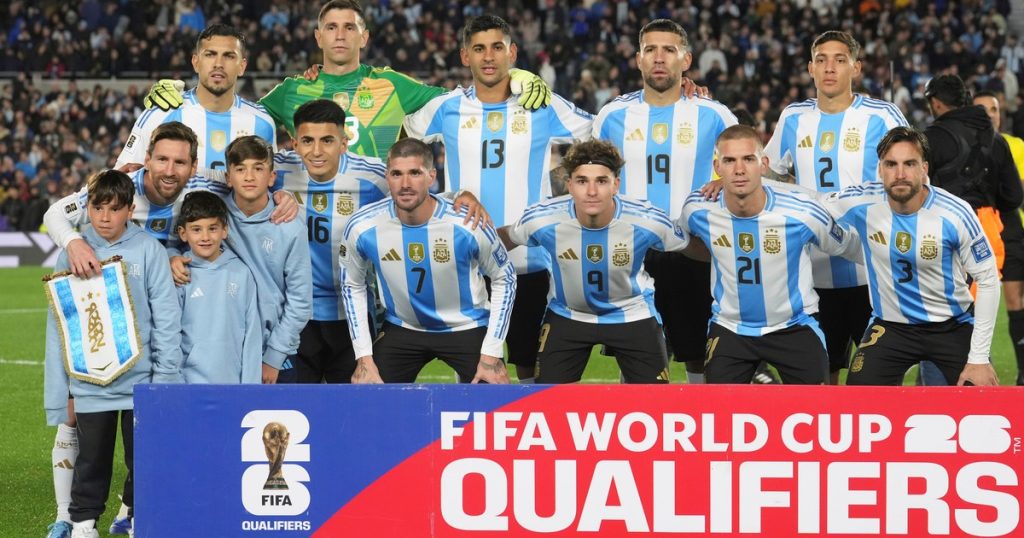
As the football world turns its attention toward the highly anticipated tournament, few teams arrive with more expectation, excitement, and pressure than the Argentina national football team. After lifting the historic trophy in Qatar back in 2022, the team enters this brand-new era not just as a standard participant, but as the proud defending world champion. The narrative surrounding the Argentina 2026 World Cup campaign is deeply centered on one burning question: Can La Albiceleste achieve ultimate sports immortality by securing back-to-back titles?
The tournament promises to be the biggest iteration in sports history, featuring an expanded format with 48 nations competing across three host countries. For the Argentina 2026 World Cup squad, this represents both a historic challenge and a massive opportunity. Led by legendary figureheads and injected with dynamic young talent, the team must balance the heavy weight of nostalgia with the cold physical realities of modern high-intensity international football to defend their crown successfully.
The Historical Legacy of Argentina on the World Stage
To understand the immense pressure surrounding the Argentina 2026 World Cup roster, one must look at the nation’s deep-rooted footballing history. Football in Argentina is not merely a sport; it is a fundamental cultural pillar, a shared identity, and an emotional obsession that unites millions of passionate citizens across generations.
Historically, the nation has captured the FIFA World Cup trophy three times:
- 1978: Won on home soil, driven by the incredible goal-scoring brilliance of Mario Kempes.
- 1986: Defined by the pure, unadulterated genius and individual dominance of Diego Maradona in Mexico.
- 2022: Achieved through emotional resilience and tactical execution, cementing Lionel Messi’s legacy in Qatar.
Each victory shaped the nation’s sporting identity. Entering the current tournament cycle, the team is no longer chasing an elusive dream to break a decades-long drought; instead, they are tasked with building a modern dynasty that can stand alongside the greatest international squads in human history.
The Scaloni Factor: Tactical Consistency and Team Leadership
A vital component of the Argentina 2026 World Cup preparation is the continued leadership of mastermind head coach Lionel Scaloni. When Scaloni initially took over the national team following a disastrous 2018 campaign, critics questioned his complete lack of top-flight managerial experience. However, he quickly silenced doubters by building “La Scaloneta” — a team characterized by tactical flexibility, extreme defensive work rates, and intense dressing-room unity.
Scaloni’s primary tactical strength lies in his refusal to rely on a rigid formation. He seamlessly transitions between a fluid 4-3-3, a compact 4-4-2, and even a three-man defensive backline depending entirely on the opponent’s attacking threats. This adaptability will be critical during the expanded tournament, where squads will face a wider variety of playing styles from different global confederations. Scaloni has managed to foster a culture where superstar individuals willingly sacrifice personal statistics for the collective success of the team, a trait that makes them incredibly difficult to break down during knockout football.

The Evolution of Lionel Messi’s Dynamic On-Pitch Role
No discussion about the Argentina 2026 World Cup approach can exist without analyzing the legendary captain, Lionel Messi. After completing football by lifting the golden trophy in Doha, Messi’s presence in the current cycle provides an immense psychological boost to both his teammates and fans worldwide.
However, the physical realities of age mean that Messi’s on-pitch role has naturally evolved. He is no longer the explosive winger who vacuums up space with long, high-speed lateral dribbles. Instead, Messi operates primarily as an elite elite playmaker and deep playmaker, dictating the tempo of matches with his unrivaled vision, spatial awareness, and pinpoint passing accuracy. If you are curious about how top sportswear brands engineer signature gear specifically to support this level of high-speed creativity and athletic performance on the pitch, don’t miss our comprehensive review of the PUMA x KIDSUPER collaboration boots.
By dropping deeper into the midfield, Messi allows younger, faster forwards to stretch opposing defensive lines. This tactical shift ensures that while his physical running numbers drop, his creative output and influence over the match remain completely world-class. Scaloni’s system is specifically designed to cover defensive ground for Messi, ensuring the captain preserves his energy for decisive attacking actions in the final third.
Squad Analysis: Blending Veteran Experience with Youthful Energy
The core strength of the Argentina 2026 World Cup squad lies in its balanced roster composition. Unlike previous generations that relied far too heavily on a few star attackers, the modern team features world-class depth across every single position on the field.
| Squad Department | Key Veteran Leaders | Emerging Young Talents | Primary Tactical Responsibility |
|---|---|---|---|
| Goalkeeping | Emiliano Martínez | Young backup prospects | Penalty shootout dominance, aerial security |
| Defensive Line | Cristian Romero, Nicolás Otamendi | Lisandro Martínez, modern fullbacks | Aggressive press, high structural positioning |
| Midfield Core | Rodrigo De Paul, Alexis Mac Allister | Enzo Fernández, young fluid playmakers | Ball retention, high work rate, tracking back |
| Attacking Force | Lionel Messi, Lautaro Martínez | Julián Álvarez, explosive young wingers | High-pressing transitions, clinical finishing |
This structural balance ensures that Argentina can control matches through extended possession or punish teams via explosive counter-attacks. The midfield trio of De Paul, Mac Allister, and Enzo Fernández provides a perfect mixture of physical steel, defensive positioning, and creative passing, allowing the team to dictate the physical tempo against any opponent in the world.
Potential Challenges and Obstacles to the Golden Crown
Despite their status as serious favorites, the path to defending the title during the Argentina 2026 World Cup campaign is filled with massive competitive hurdles. The most immediate challenge is the expanded tournament format itself. With more teams participating, the eventual champion will have to play an extra knockout match, increasing physical fatigue and the risk of injuries over a grueling summer month.
Furthermore, international rivals have spent years carefully studying Argentina’s tactical setups. Elite European and South American powerhouses will enter the tournament with highly specialized defensive strategies designed explicitly to limit Messi’s creative space and disrupt Argentina’s midfield buildup. Managing the immense emotional pressure of being the defending champions will require absolute mental discipline from veteran players to avoid costly mental lapses in knockout rounds.
Frequently Asked Questions
Has Argentina ever won consecutive World Cup titles?
No, Argentina has never won back-to-back World Cup titles. Their previous victories occurred in separated eras (1978, 1986, and 2022). Achieving consecutive titles would place them in an elite club alongside only Italy and Brazil.
How does the expanded 48-team format affect Argentina?
The expanded format introduces an additional Round of 32 knockout stage. This means Argentina must maintain elite physical conditioning and squad rotation to survive an extra high-intensity match on their path to the final match.
Who are Argentina’s primary rivals for the title?
Traditional football powerhouses like France, Brazil, England, and Germany remain Argentina’s primary competitive threats. These nations possess deep squads and elite tactical setups capable of challenging La Albiceleste at the highest level.
Conclusion
In summary, the Argentina 2026 World Cup campaign represents a historic defining moment for South American football. With a perfectly balanced squad that seamlessly blends legendary veteran leadership with hungry young talents, La Albiceleste possess all the necessary tools to successfully defend their global crown. Under the elite tactical guidance of Lionel Scaloni, the team is fully prepared to navigate the grueling challenges of an expanded tournament layout. For official tournament schedules, team media archives, and verified structural match statements, you can visit the official FIFA global portal to explore authorized tournament documentation.
