
Post
10 Amazing Facts About Mercedes F1: Modern Silver Arrows
May
10 Amazing Facts About Mercedes F1: The Silver Arrows of Modern Motorsport
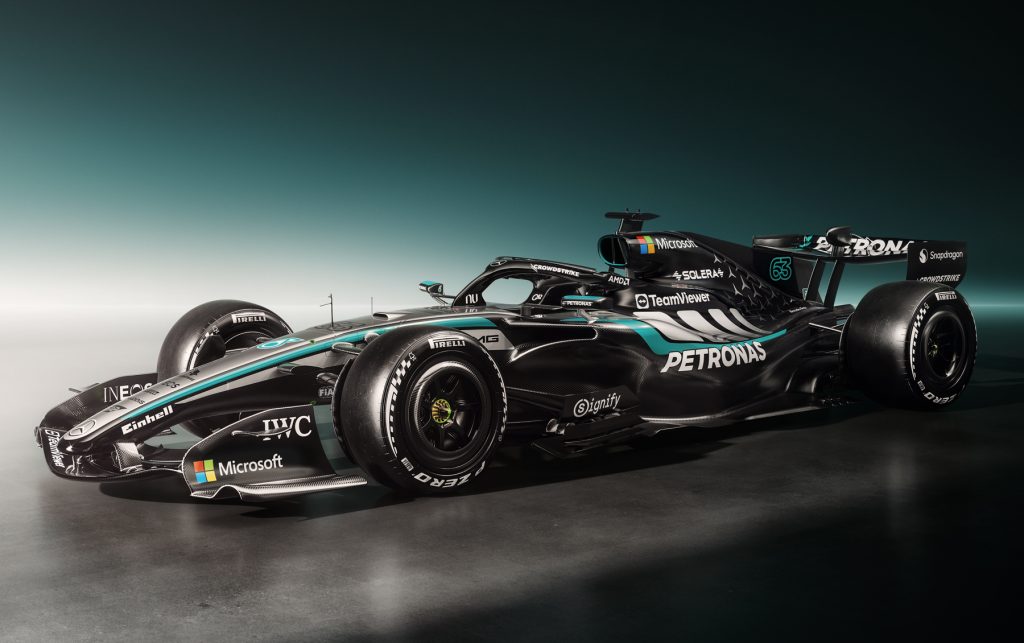
In the world of Formula One, few teams have achieved the level of dominance, prestige, and engineering excellence that the Mercedes F1 team has demonstrated over the past decade. Known for its iconic silver cars, world-class drivers, and revolutionary technology, the silver arrows have become one of the most successful organizations in motorsport history.
Often referred to as the “Silver Arrows,” the modern Mercedes F1 squad represents the perfect combination of speed, innovation, teamwork, and consistency. From legendary championship campaigns to groundbreaking engineering achievements, the team has played a major role in shaping the modern era of Formula 1. This comprehensive guide explores the rich history, legendary driver lineups, advanced hybrid technology, and future trajectory of this magnificent racing powerhouse.
1. The Origins of Mercedes F1 in Motorsport
Mercedes-Benz has a long and legendary history in motorsport that dates back to the early days of racing. The company first competed in Grand Prix racing during the 1930s, where its silver-painted cars earned the famous “Silver Arrows” nickname after mechanics famously scraped off the white paint to meet weight regulations.
The original iteration returned to Formula 1 officially in the 1950s and achieved immediate success with legendary driver Juan Manuel Fangio, who won multiple world championships with the brand. However, after a tragic motorsport accident at Le Mans in 1955, the manufacturer withdrew from top-level racing for decades. The company eventually returned to Formula 1 as a premium engine supplier in the 1990s before launching its modern factory team in 2010.
The brand purchased the championship-winning Brawn GP team and officially formed the modern Mercedes F1 team, beginning a spectacular new chapter in international racing history. While other competitor constructor teams rely heavily on drink brand lifestyle marketing, as highlighted in our definitive review of Oracle Red Bull Racing strategies, the German manufacturer anchored its identity in pure industrial engineering supremacy.

2. Building a Modern Championship Powerhouse
When the factory team returned as a full works squad in 2010, international expectations were already incredibly high. The team recruited legendary seven-time world champion Michael Schumacher alongside talented young German driver Nico Rosberg to spearhead their ambitious return.
Although the team did not immediately dominate the grid, they spent several critical years building a strong technical foundation, investing heavily in infrastructure, advanced aerodynamics, and futuristic hybrid engine technology. Under the guidance of tactical mastermind Ross Brawn and later team principal Toto Wolff, the organization developed an internal culture focused heavily on marginal gains, operational discipline, and flawless communication, transforming the Brackley-based team into an unstoppable powerhouse.
3. Unprecedented Hybrid Era Dominance
The true rise of the modern franchise began in 2014 when Formula 1 introduced radical new technical regulations featuring V6 turbocharged hybrid power units. The engineering team at Brixworth adapted to these hybrid regulations significantly better than any other manufacturer on the planet.
From 2014 onward, the silver arrows entered one of the absolute greatest eras of sports dominance ever witnessed, breaking numerous historical records. The Mercedes F1 team captured an astonishing eight consecutive World Constructors’ Championships from 2014 to 2021, proving that their technological infrastructure was completely unmatched. This historic era was defined by exceptional power delivery, bulletproof mechanical reliability, and supreme strategic execution on the pit wall.
4. Lewis Hamilton and the Legendary Partnership
The incredible success of the modern franchise is permanently intertwined with British superstar Lewis Hamilton. Hamilton made the highly controversial decision to leave McLaren and join the silver arrows in 2013 — a move that many contemporary analysts heavily questioned at the time.
However, that transfer developed into the most successful driver-team combination in Formula 1 history. Together, Hamilton and the team secured six Drivers’ World Championships, completely rewriting the sport’s statistical records for most career pole positions, podium finishes, and Grand Prix race victories. Hamilton’s relentless speed, supreme wet-weather masterclasses, and vocal leadership transformed the team into a global cultural phenomenon past traditional racing boundaries.
5. Famous Driver Pairings and Intense Internal Rivalries
The team’s rich history has been defined by multiple legendary driver combinations that generated immense sporting drama under the stadium floodlights:
| Driver Lineup Era | Primary Drivers | Key Championship Dynamic |
|---|---|---|
| 2010 – 2012 | Michael Schumacher & Nico Rosberg | Veteran development foundation, iconic German partnership |
| 2013 – 2016 | Lewis Hamilton & Nico Rosberg | Fierce internal childhood rivalry, explosive title battles |
| 2017 – 2021 | Lewis Hamilton & Valtteri Bottas | Flawless teamwork, harmonious data sharing, dominant double titles |
| 2022 – Present | Lewis Hamilton & George Russell | Generational transition, British talent development, adapting to regulations |
6. Technical Engineering and Petronas Synergy
Formula 1 is a brutal technological laboratory, and the silver arrows became the global benchmark for technical perfection. The cars developed at Brackley are world-famous for their complex aerodynamic balancing, high-efficiency energy recovery systems (ERS), and immaculate carbon-fiber construction.
A major secret weapon behind their sustained mechanical reliability and power output is their long-term technical partnership with Malaysian oil giant Petronas. Petronas engineers work directly with the engine division to develop highly specialized synthetic fuels and fluid lubricants designed explicitly to reduce thermal friction inside the power unit. This technical synergy allows the team to extract maximum horsepower while maintaining absolute fuel efficiency standards across grueling race distances.
7. The Intense Silver vs Blue and Red Rivalries
The modern era of the sport has been thoroughly electrified by the team’s fierce competitive rivalries against other elite racing organizations. From multi-year technological battles against Ferrari during the late 2010s to the legendary, highly controversial 2021 championship showdown against Max Verstappen, the drama has been non-stop.
These high-stakes psychological battles between team principal Toto Wolff and rival garages have generated massive mainstream media headlines, significantly increasing the sport’s global popularity and drawing hundreds of millions of new international fans into the racing world. To explore official technical rules, recent championship standings, and authorized corporate team news, you can visit the official FIA global portal to read verified racing documentation.
8. Pushing Future Automotive Sustainability
While the team prioritizes winning world titles, they also function as a critical real-world development center for future sustainable automotive transport engineering. The advanced thermal efficiency concepts validated on the grand prix circuit directly influence high-performance civilian road cars and electric vehicle architectures.
Frequently Asked Questions
Why are Mercedes cars called the Silver Arrows?
The legendary nickname originated in 1934 when team mechanics scraped the white lead paint off their racing car down to the bare silver aluminum upper to meet strict weight limit regulations before a major race.
Where is the Mercedes F1 team based?
While the parent corporate company is German, the race operations headquarters is located in Brackley, United Kingdom, while the high-performance power unit division is situated nearby in Brixworth.
What is the function of the MGU-K and MGU-H hybrid systems?
The Motor Generator Unit-Kinetic (MGU-K) harvests kinetic energy generated under braking, while the Motor Generator Unit-Heat (MGU-H) captures thermal energy from exhaust gases, converting waste energy into additional hybrid horsepower.
Conclusion
In summary, Mercedes F1 represents the absolute pinnacle of technological precision, operational discipline, and championship pedigree in modern motorsport. From their historic roots in the 1930s to their record-shattering dominance throughout the hybrid era, the silver arrows have permanently elevated the standard of professional racing. As the organization modernizes its design philosophies and integrates next-generation talents to tackle upcoming engine regulation updates, the relentless pursuit of speed will undoubtedly keep this legendary team at the forefront of Formula 1 history for decades to come.
