
Post
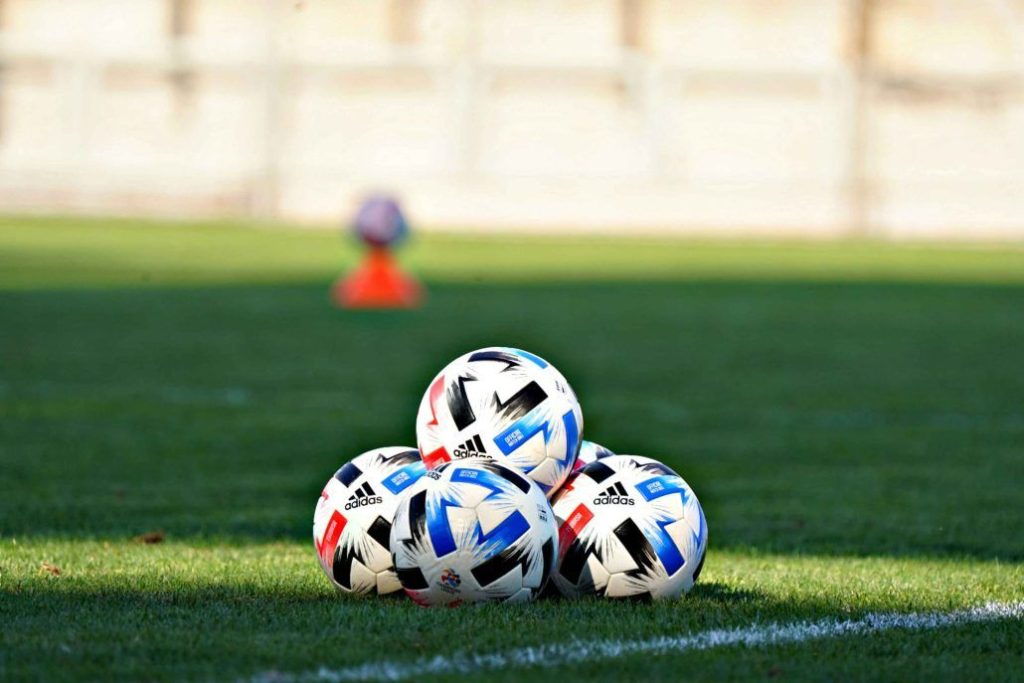
Training Soccer Balls: 7 Ultimate Benefits for Daily Practice
Jun
Developing elite technical mastery on the football pitch requires thousands of hours of relentless, highly repetitive practice. Whether you are a solo athlete perfecting your free-kick technique against a concrete wall or a youth academy coach running intense possession drills, your equipment endures massive physical abuse. Utilizing expensive, thermal-bonded match spheres for everyday abrasive drills is a massive financial mistake, as they will quickly lose their delicate micro-textures.
To withstand the punishing demands of daily drills while maintaining consistent aerodynamic flight, equipping your squad with a dedicated arsenal of Training Soccer Balls is an absolute athletic necessity.
Far removed from flimsy plastic toys, modern engineered training spheres represent a spectacular balance of extreme physical durability and reliable performance. By utilizing hybrid-stitched polyurethane casings, thick EVA foam underlays, and high-retention internal bladders, these balls endure relentless impact without warping. In this comprehensive athletic equipment masterclass, we dissect the rigorous materials science behind these durable spheres and explore 7 ultimate benefits of utilizing Training Soccer Balls for your everyday practice.
1. Extreme Durability via Hybrid Stitching in Training Soccer Balls
The primary physical requirement of a daily practice sphere is absolute structural immortality. During a two-hour training session, a single ball might be aggressively struck against crossbars, skidded across abrasive turf, and blasted into metal fencing hundreds of times.
Premium Training Soccer Balls conquer this extreme physical abuse through advanced hybrid stitching technology. Unlike delicate match balls that rely solely on thermal bonding, elite training spheres combine deep machine stitching with internal adhesive glues. This dual-reinforcement method tightly locks the hexagonal synthetic panels together, completely hiding the threads from external abrasion.
This rugged construction ensures the casing will never tear or delaminate, even when subjected to the harshest amateur training environments. To explore the complex geometric patterns and historical manufacturing techniques of these spheres, you can review the official Wikipedia database on the association football ball.

2. High-Retention Butyl Bladders for Zero Maintenance
A notorious operational frustration for football coaches is arriving at the training ground only to discover that half the team’s balls have gone completely flat overnight. Natural latex bladders, while exceptionally responsive, are highly porous and leak air molecules rapidly.
Authentic training spheres completely eliminate this maintenance nightmare by utilizing high-grade synthetic Butyl bladders. Butyl rubber is exceptionally dense and entirely impermeable to air pressure leakage. Once you inflate these balls to their optimal PSI, they will retain that exact geometric firmness for weeks of heavy striking.
3. Substantial Cost-Efficiency for Academy Squads
Running a successful grassroots football club or a high-level youth academy requires massive logistical planning and strict budget management. A standard squad requires at least 20 to 30 balls to run efficient, high-tempo passing drills without wasting time fetching strays.
Because specialized practice balls utilize highly efficient machine-manufacturing processes and durable synthetic leathers, they are phenomenally cost-effective. You can purchase five highly durable training spheres for the exact same price as a single thermal-bonded match sphere, allowing coaches to flood the training pitch with high-quality equipment.
4. High-Visibility Optics for Winter Training Sessions
As the competitive season extends deep into the harsh winter months, teams are frequently forced to conduct their evening training sessions under poor, fading stadium floodlights or in heavy, blinding fog.
Elite practice balls are manufactured utilizing high-visibility (Hi-Vis) optical graphics. Instead of traditional white casings, these winter-optimized spheres feature neon yellow, blazing orange, and high-contrast geometric chevron patterns. These aggressive color palettes trigger immediate neurological recognition, allowing players to track the ball’s rotational spin and aerodynamic flight path flawlessly in low-light environments.
5. Cushioned EVA Underlays for Safer Heading Drills
Practicing repetitive aerial headers is an essential tactical drill, but striking a rock-hard, over-inflated sphere with your forehead can cause severe micro-concussions and painful neck whiplash for younger athletes.
To maximize player safety, top-tier practice spheres feature a deeply calculated, 4-millimeter layer of Ethylene-Vinyl Acetate (EVA) foam injected directly between the outer casing and the internal bladder. This plush foam underlay provides a deeply satisfying, cushioned physical sensation upon impact, significantly reducing the harsh kinetic shock transferred to the skull during intensive crossing drills.
6. Seamless Integration with Turf Footwear
An exceptional, highly durable practice ball provides the absolute canvas for your daily technical development. However, your ability to execute sharp, multidirectional dribbling drills remains severely hindered if you are wearing the wrong footwear on a synthetic pitch.
To ensure absolute joint safety and perfect mechanical grip while executing training drills on artificial grass, syncing your durable practice spheres with specialized footwear is mandatory. Complete your ultimate training setup today by exploring our definitive masterclass on Turf Soccer Shoes.
7. The Perfect Stepping Stone to Match Quality Soccer Balls
Utilizing rugged, heavier practice balls builds exceptional lower-leg striking power and cardiovascular endurance throughout the training week. However, when the weekend arrives and competitive league points are on the line, you must transition to elite hardware.
To guarantee absolute aerodynamic perfection, zero water absorption, and flawless flight paths during official matches, you must upgrade your game day equipment. Complete your club’s hardware arsenal by reviewing our comprehensive guide on selecting Match Quality Soccer Balls.
Frequently Asked Questions
What is the ideal air pressure for a daily training soccer ball?
To ensure optimal aerodynamic flight and prevent the hybrid stitching from tearing, you should inflate your practice spheres to a slightly lower pressure than elite match balls. A highly recommended target is between 9.0 to 11.0 PSI (roughly 0.6 to 0.8 BAR). This specific pressure provides a slightly softer touch for repetitive passing drills while maintaining a perfectly round geometric shape.
Can I use hybrid-stitched training balls on concrete or asphalt courts?
While hybrid-stitched polyurethane casings are significantly more durable than thermal-bonded match balls, they are still primarily engineered for natural grass and artificial turf. Repetitive, heavy striking against abrasive concrete or chain-link metal fences will eventually scrape away the waterproof outer coating and fray the stitching. For dedicated street football, you should seek out specialized rubberized street balls.
Conclusion
In summary, making the vital logistical investment in authentic Training Soccer Balls represents a phenomenal, highly pragmatic upgrade to your squad’s daily technical development. By successfully combining hybrid-stitched durability, high-retention butyl bladders, and cushioned EVA foam underlays, these advanced spheres entirely eliminate the financial stress of popping expensive equipment. Elevate your daily practice sessions today by exploring the elite hardware collections available at the Box Open armory.
